YHTECH
How to Integrate Industrial Robots with MES/WMS Systems
Robots without software integration are islands of automation. Connecting them to MES (Manufacturing Execution System) and WMS (Warehouse Management System) is what turns machines into a coordinated production system.
1. Choose the Right Interface
Modern robots support REST API, Modbus TCP and OPC-UA. REST APIs are best for cloud and MES integration; Modbus suits PLC environments; OPC-UA is the standard for multi-vendor industrial interoperability. Confirm which protocols your robot supports before purchase.
2. Design the Data Flow
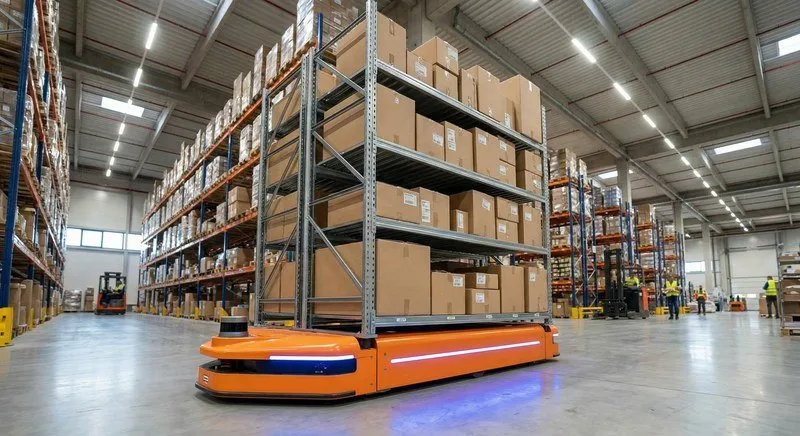
WMS sends transport tasks (origin, destination, priority) to the robot fleet manager, which dispatches the nearest available AGV. The AGV reports position, battery and task status back. MES triggers robot work orders when production steps complete - this closed loop is what makes lights-out operation possible.
3. Master Data Alignment
Locations, SKUs and BOMs must match between systems. Spend time on master data before go-live: mismatched station IDs cause 80% of integration failures.
4. Fleet Management as the Middle Layer
For multi-robot deployments, a fleet management system handles traffic control, charging management and task optimization between the robots and the ERP/MES layer. AMR fleets with SLAM navigation need this layer for collision-free routing.
5. Edge Cases and Exception Handling
Plan for robot failure, network interruption and task cancellation. Every integration should include retry logic, manual override and an operations dashboard showing fleet health in real time.
6. Security
Keep robot networks segmented from office IT. Use VPN or dedicated VLANs, whitelist MES/WMS server IPs, and never expose robot APIs directly to the internet.
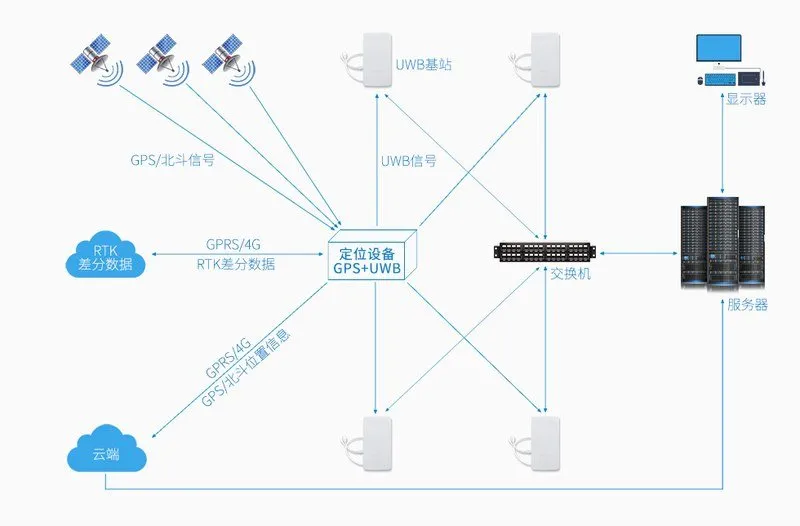
YHTECH robots ship with UWB positioning and standard MES/WMS connectors; our engineers handle the full integration. Talk to our integration engineers.