YHTECH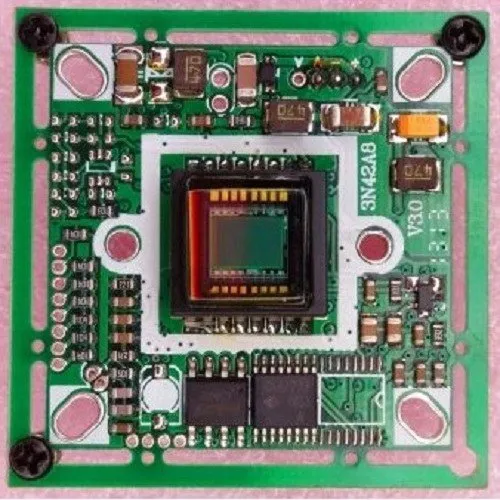
YOLO Vision Cameras: A Buyer's Guide to AI Defect Detection
Traditional machine vision relies on hand-crafted rules and thresholding that break down when products vary. AI cameras with YOLO deep learning learn from labeled samples and adapt to natural variation, making them the new standard for defect detection, OCR and dimensional measurement.
How YOLO Changes Inspection
YOLO (You Only Look Once) performs object detection in a single neural network pass, delivering real-time speed on embedded hardware. Instead of programming dozens of rules, engineers label a few hundred sample images and train a model in hours. New defect types are handled by adding samples — no reprogramming.
Key Evaluation Criteria
Detection accuracy: Ask for mAP (mean Average Precision) benchmarks on your actual defect samples, not marketing numbers.
Inference speed: Confirm frames-per-second at your resolution. 30 FPS at 2 MP is a practical baseline for moving lines.
OCR quality: Test on your real lot codes and labels under actual lighting; weak OCR is the most common source of buyer disappointment.
Deployment ease: A good smart camera ships with integrated deep learning, OpenCV and web-based configuration — no separate industrial PC needed.
Integration: Check IO/PLC protocols, barcode reading, and the ability to trigger reject devices directly.
Where AI Cameras Pay Back Fastest
Surface defect detection where rules are hard to write (scratches, stains, random textures), OCR on curved or reflective surfaces, and final quality gates replacing manual visual inspection. Most users report ROI within 6-12 months through reduced escapes and labor.
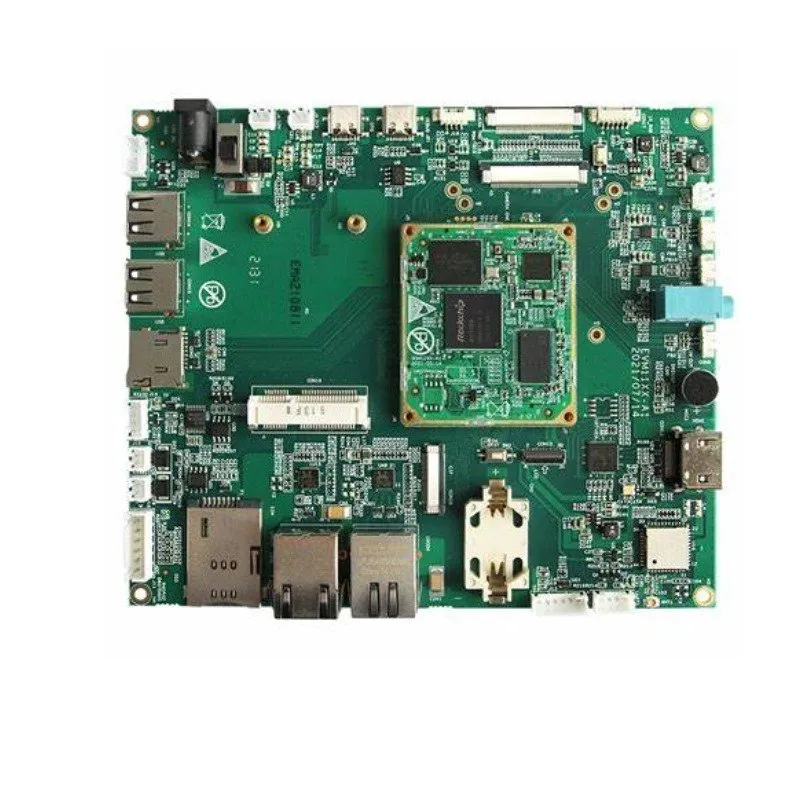
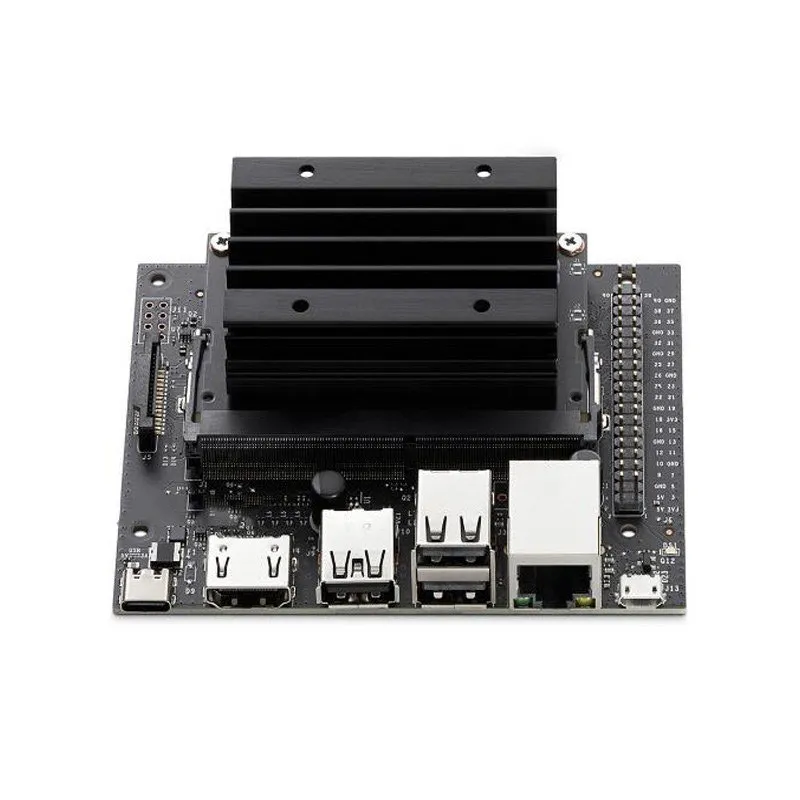
YHTECH's CA023-X64 smart camera integrates YOLO deep learning and OpenCV, supporting defect detection, OCR, dimensional measurement and robot guidance with no external PC required. Pair it with our machine vision board for compact embedded inspection systems. Send us sample images for a free feasibility evaluation.