YHTECH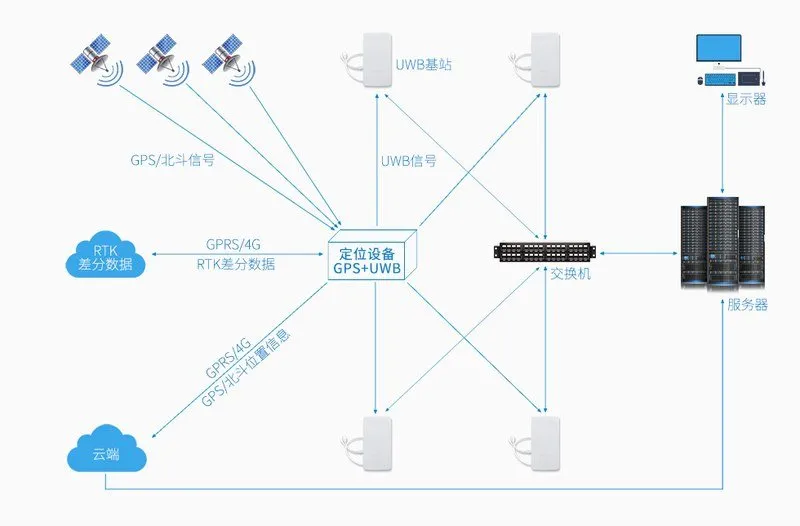
UWB Positioning Systems: How to Choose for Factory and Warehouse Tracking
Indoor positioning has long been a weak link in factory digitalization: GPS fails indoors, WiFi/BLE positioning is meter-level at best. Ultra-Wideband (UWB) changes this with centimeter-level accuracy, making it the preferred choice for personnel safety, asset tracking and automated equipment coordination.
How UWB Works
UWB transmits very short pulses across a wide frequency band. Arrival-time measurement (TDoA/ToF) yields positioning accuracy of 10-30 cm — 10x better than BLE/WiFi triangulation. The wide bandwidth also resists multipath interference common in metal-rich factory environments.
Key Selection Criteria
Accuracy requirement: personnel zone management needs ~50 cm; AGV coordination and safety zones need 10-30 cm. Confirm the vendor's accuracy under YOUR ceiling height and metal structure conditions.
Tag capacity and refresh rate: warehouses with hundreds of assets need systems supporting thousands of tags with 1 Hz or faster updates.
Integration: check APIs for MES/WMS integration, RTLS data formats, and whether electronic fences (geofencing) and alarm workflows are built in.
Environment certification: mining and hazardous-area deployments require explosion-proof / safety certifications.
Anchor deployment cost: anchors need power and synchronization; ask for a site survey and anchor-count estimate before purchase.
Typical ROI
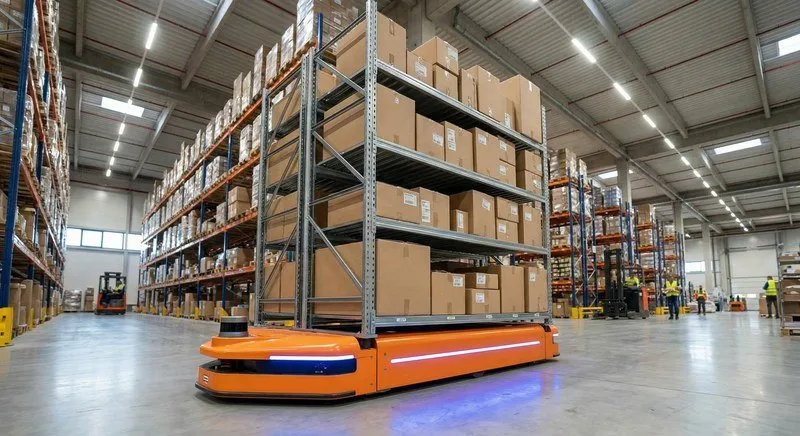
In logistics warehouses, UWB asset tracking typically cuts search time by 60-80%; in factories, personnel safety zones reduce accident rates and compliance risk. Most deployments pay back within 12-18 months.
YHTECH's UWB positioning system provides centimeter-level accuracy, high-concurrency tag support, and mining/industrial safety certifications. Contact our engineers for a free site survey estimate.